

Table of Contents
Technology is evolving faster than ever before, redefining how businesses operate, how people interact, and how societies function. Over the next decade, emerging technologies such as Artificial Intelligence (AI), the Internet of Things (IoT), cybersecurity innovations, and blockchain will continue to disrupt industries and create new opportunities. Organizations that understand and adopt these technologies early will be better positioned to innovate, scale, and maintain a competitive edge in an increasingly digital world.
Artificial Intelligence: From Automation to Intelligence
Artificial Intelligence is no longer limited to experimental labs—it has become a core component of modern technology ecosystems. AI enables machines to learn from data, recognize patterns, and make decisions with minimal human intervention. Over the next decade, AI will move beyond basic automation and become deeply embedded in strategic decision-making processes.
Businesses are already using AI for predictive analytics, personalized customer experiences, fraud detection, and intelligent automation. In the future, AI systems will become more autonomous, explainable, and industry-specific. Generative AI, natural language processing, and computer vision will reshape sectors such as healthcare, finance, education, and manufacturing.
However, as AI adoption grows, ethical considerations such as data privacy, bias, and transparency will become increasingly important. Companies that implement responsible AI practices will earn greater trust from users and regulators alike.

Internet of Things (IoT): Connecting the Physical and Digital Worlds
The Internet of Things is transforming everyday objects into smart, connected devices. From smart homes and wearable devices to industrial sensors and connected vehicles, IoT generates massive volumes of real-time data that enable smarter decision-making.
In the next decade, IoT adoption will accelerate across industries such as manufacturing, logistics, healthcare, agriculture, and smart cities. Businesses will use IoT to monitor equipment health, optimize supply chains, reduce energy consumption, and improve safety.
As IoT ecosystems grow, interoperability and security will become critical challenges. Organizations must ensure that connected devices are secure and integrated seamlessly with existing IT infrastructure.
Cybersecurity: A Top Priority in the Digital Era
As digital transformation expands, cybersecurity threats are becoming more sophisticated and frequent. Cyberattacks such as ransomware, phishing, and data breaches pose serious risks to businesses and individuals alike. Over the next decade, cybersecurity will evolve from a technical requirement to a strategic business priority.
Advanced cybersecurity solutions will leverage AI and machine learning to detect threats in real time and respond proactively. Zero-trust security models, biometric authentication, and cloud-native security frameworks will become standard practices.
Regulatory compliance will also drive cybersecurity investments. Organizations must protect sensitive data while adhering to global data protection laws. Businesses that prioritize cybersecurity will not only reduce risks but also strengthen customer trust.
Blockchain: Beyond Cryptocurrency
While blockchain is widely known for powering cryptocurrencies, its potential extends far beyond digital currency. Blockchain technology provides a decentralized, transparent, and tamper-proof system for recording transactions and managing data.
In the coming years, blockchain will play a significant role in supply chain management, digital identity, healthcare records, and smart contracts. Enterprises are exploring blockchain to improve transparency, reduce fraud, and streamline complex processes.
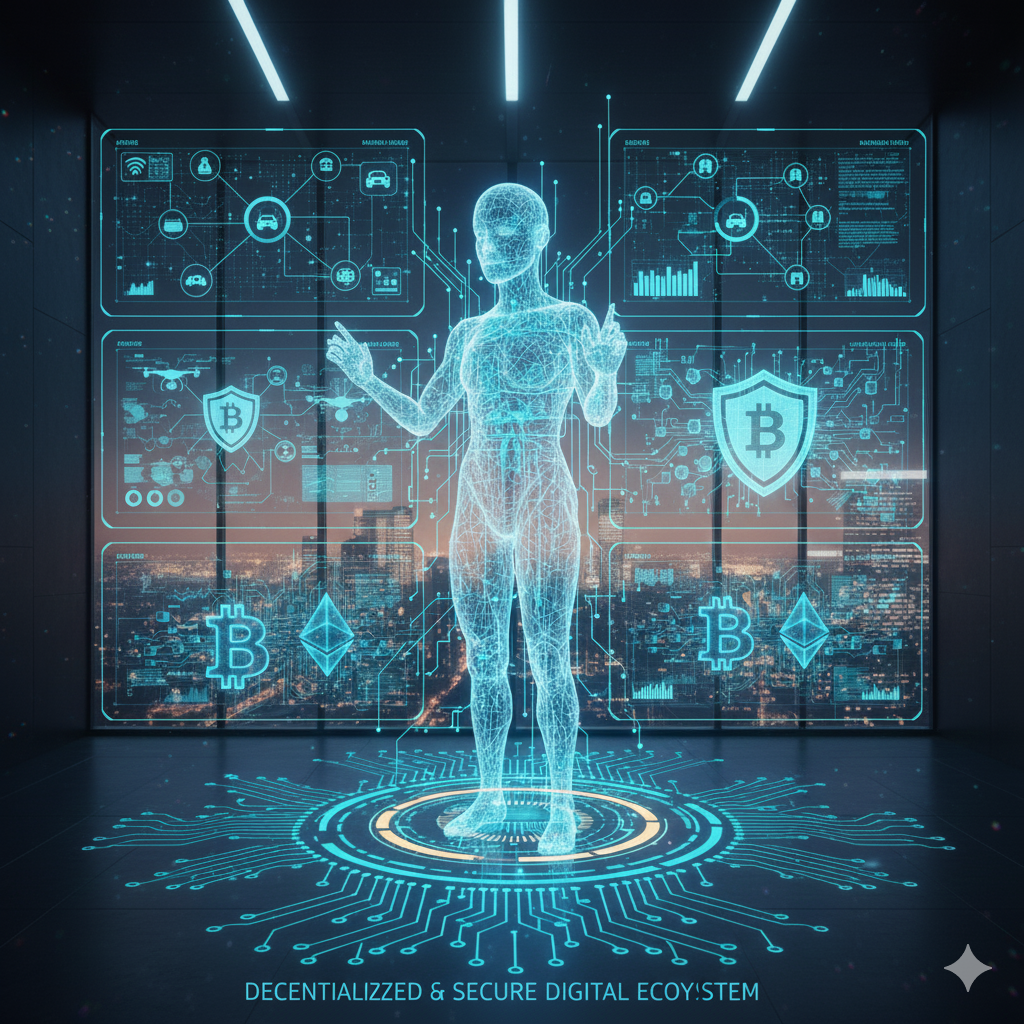
As scalability and interoperability improve, blockchain adoption will expand across industries. Combined with AI and IoT, blockchain can enable secure data sharing and automated trust mechanisms.
The Competitive Advantage of Early Adoption
One of the key lessons from past technological revolutions is that early adopters often gain a significant competitive advantage. Businesses that invest in emerging technologies can innovate faster, optimize operations, and deliver superior customer experiences.
However, successful adoption requires more than just technology investment. Organizations must focus on workforce upskilling, change management, and long-term digital strategy. Technology alone is not a solution—it must align with business goals and customer needs.
Conclusion
Emerging technology trends such as AI, IoT, cybersecurity, and blockchain will define the next decade of innovation. These technologies are not isolated developments but interconnected forces reshaping industries and societies. Businesses that stay informed, adapt quickly, and invest responsibly will thrive in the digital future, while those that resist change risk falling behind.
The next decade belongs to organizations that embrace innovation, prioritize security, and use technology as a strategic enabler rather than a mere tool.